
Your equipment already knows where the waste is.

The data is already there. The action isn’t.
Sensors, SCADA, historians, and ERP systems collect more than most operators ever use. None of it talks to each other, so failures still arrive as surprises and energy waste hides in plain sight. The gap between a field signal and a decision is where uptime, efficiency, and sustainability goals slip away.
From signal to action.
Sense.
Moves OT data from the field into your IT and cloud systems. PLCs, SCADA, historians and edge devices, connected in weeks, not years. Native drivers for Modbus TCP, OPC-UA, Rockwell CIP and Siemens S7.

Analyze.
Runs AI and alarm evaluation on site, next to the equipment, on hardware you already own. Anomalies surface in milliseconds and keep surfacing when the network is down.

Act.
Governed alarms become action automatically: the right people are alerted, safety trips wait for a supervisor, and maintenance work orders open in IBM Maximo. Our engineers deploy Moonshot alongside your team and stay through results.
One governed alarm record, from the machine to the boardroom.
An alarm is not an event that happens once. It has a life: raised, acknowledged, held, shelved, escalated, closed, and answered for. Moonshot carries that state across every level of the plant rather than re-deriving it at each one, so the answer to “who handled this and what did they do” is the same whether you ask at the cell or at corporate.
The alarm state machine runs on the industrial PC next to the equipment and keeps running when the network does not.
A flood collapses to one incident with the parent trip named, and the work order opens in your maintenance system.
State moves to the enterprise over connections that start inside the plant. No inbound ports, no writes back to control.
Fleet-wide alarm performance against industry benchmarks, with the acknowledgment and reset history intact.
Built to the industry standards for alarm management (ANSI/ISA-18.2 and IEC 62682), so every alarm change, override and safety reset has a record your auditors and engineers can trust. See how alarm governance works →
Operational and sustainability decisions, from the same data.
Connect the plant to the cloud without opening the plant.
Every connection is outbound-only and encrypted, no inbound firewall ports are opened, and machine networks stay isolated from IT.

Global power-generation leader: eliminating outage downtime and mitigating $1M+ in annual losses
Managing maintenance across hundreds of worldwide outage sites, a leading global power-generation equipment manufacturer faced over $1,000,000 in annual losses from misplaced tools and equipment repair slowdowns. Every lost tool delayed critical maintenance and triggered heavy project penalties. Timbergrove deployed a unified IIoT asset tracking solution integrating custom hardware anchors, rugged field tablets, and enterprise ERP systems (SAP). The platform eliminated tool-related downtime, protected high-stakes outage schedules, and delivered real-time operational visibility across global field teams.
It grew outward from the machine, and it all works the same way.
Moonshot began as an alarm engine on an industrial PC. Everything added since follows the same rules: evaluated on site, carried outbound only, recorded so it can be answered for later. Six areas, all in production today.
The alarm lifecycle, your alarm standard applied consistently across consoles and plants, and an audit trail where every acknowledgment and reset carries a verified identity.
Your controllers, historians and enterprise systems on one normalized model, behind a write gate that is read-only until someone with authority says otherwise.
Anomaly scoring and an operator assistant that run with no internet, and a sandboxed twin that checks an AI setpoint before the plant ever sees it.
Process safety limits, change control on bypasses, zero-energy verification and signed records, produced as a by-product of operating rather than a project before an audit.
Platforms, skids and pipelines on satellite links and tight data budgets, plus orbital and meteorological data bound to the same assets as everything else.
Many plants seen as one: outbound-only remote access, staged updates, and performance compared across sites without opening a port into any of them.
New capability ships every few weeks. What matters to your site is a question for the call, not a list.
We start where the data originates.
Timbergrove has spent decades instrumenting drilling rigs, turbines, and production lines. Moonshot is built on that OT experience: prebuilt industrial connectors, deployment automation, and domain models for real equipment, on an open data layer with no lock-in: standard interfaces and exports your data team can use anywhere.

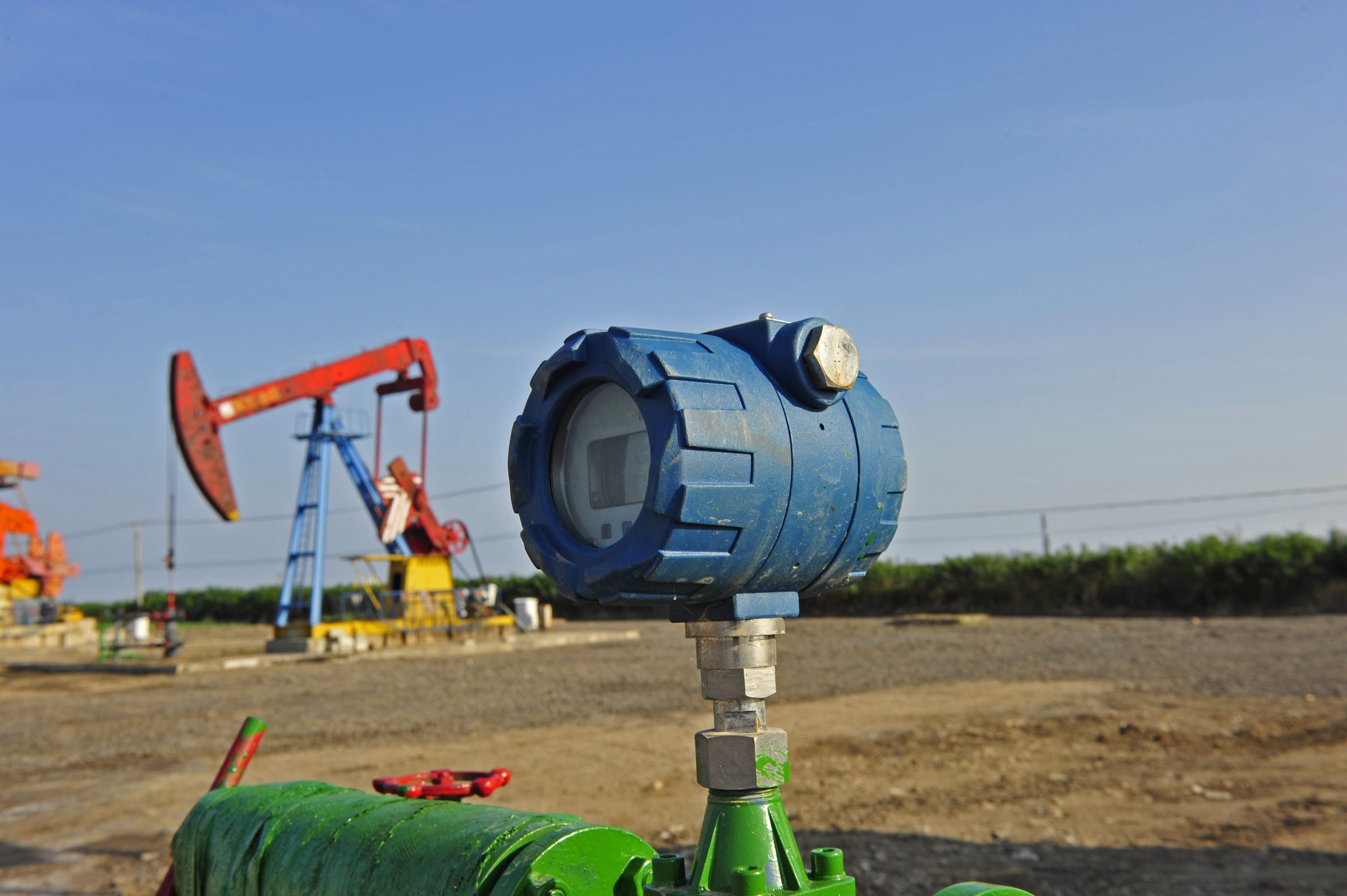
Energy
Upstream operations, power generation, and field assets.
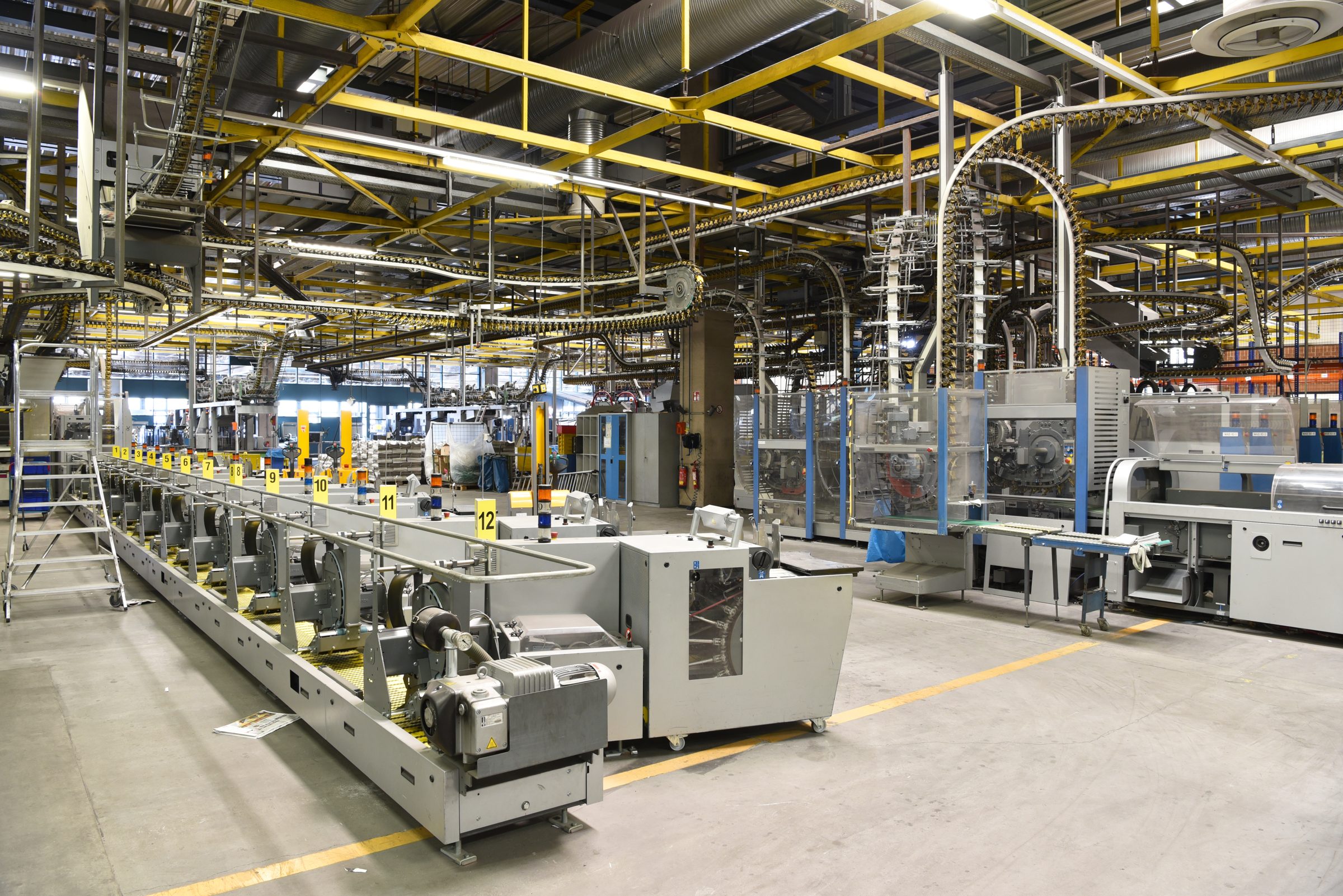
Manufacturing
Production lines, plant equipment, and OT-to-enterprise integration.
What people ask first.
Is Moonshot software or a service?
Both. Moonshot is the platform. Our engineers deploy it with your team so you are live in weeks, not years.
What does Moonshot connect to?
PLCs, SCADA, historians, edge devices, and enterprise systems like ERP and EAM.
Do we get locked in?
No. Moonshot runs on an open data layer. Your data stays yours.
What if our sites have poor connectivity?
Moonshot runs on site and keeps working through disconnects. AI, alarm evaluation and local history continue at the machine, and data catches up automatically when the link returns.
Is it safe to connect our plant to the cloud?
Yes. Every connection starts inside the plant and goes out, so no inbound firewall ports are opened, and PLC data is read-only by default.
One line. Thirty days. Read-only.
Start with a paid pilot on one production line. Moonshot Lagrange runs on a single industrial PC that you own, or one we supply preloaded. We set it up against your alarm philosophy and tag list and leave it governing alarms for thirty days, with engineering support through the window.
It reads your control network and writes nothing to it. No setpoints, no commands, no change to what your equipment does.
- One gateway, one line, one PLC protocol, an agreed tag count
- Setup against your alarm philosophy and tag list, with engineering support
- Thirty days governing alarms in production
- You keep the benchmark, the sizing recommendation and the decision
No changes to your control logic or alarm configuration. No rip-and-replace, no data lake, no IT project to stand up first. Read-only from day one.
Where does efficiency meet your sustainability goals?
Tell us about the equipment that costs you the most when it goes down.
Moonshot by Timbergrove
Software for industrial operations, built in Houston, Texas.
Designed to adhere to ANSI/ISA-18.2 and IEC 62682. Network architecture aligned to IEC 62443 zone and conduit principles.