
ISA-18.2 governance where the alarms actually happen.
Your alarm philosophy is only as good as its enforcement. Moonshot Lagrange enforces the lifecycle at the asset, carries the record across your DMZ to the enterprise, and never needs an inbound firewall port.
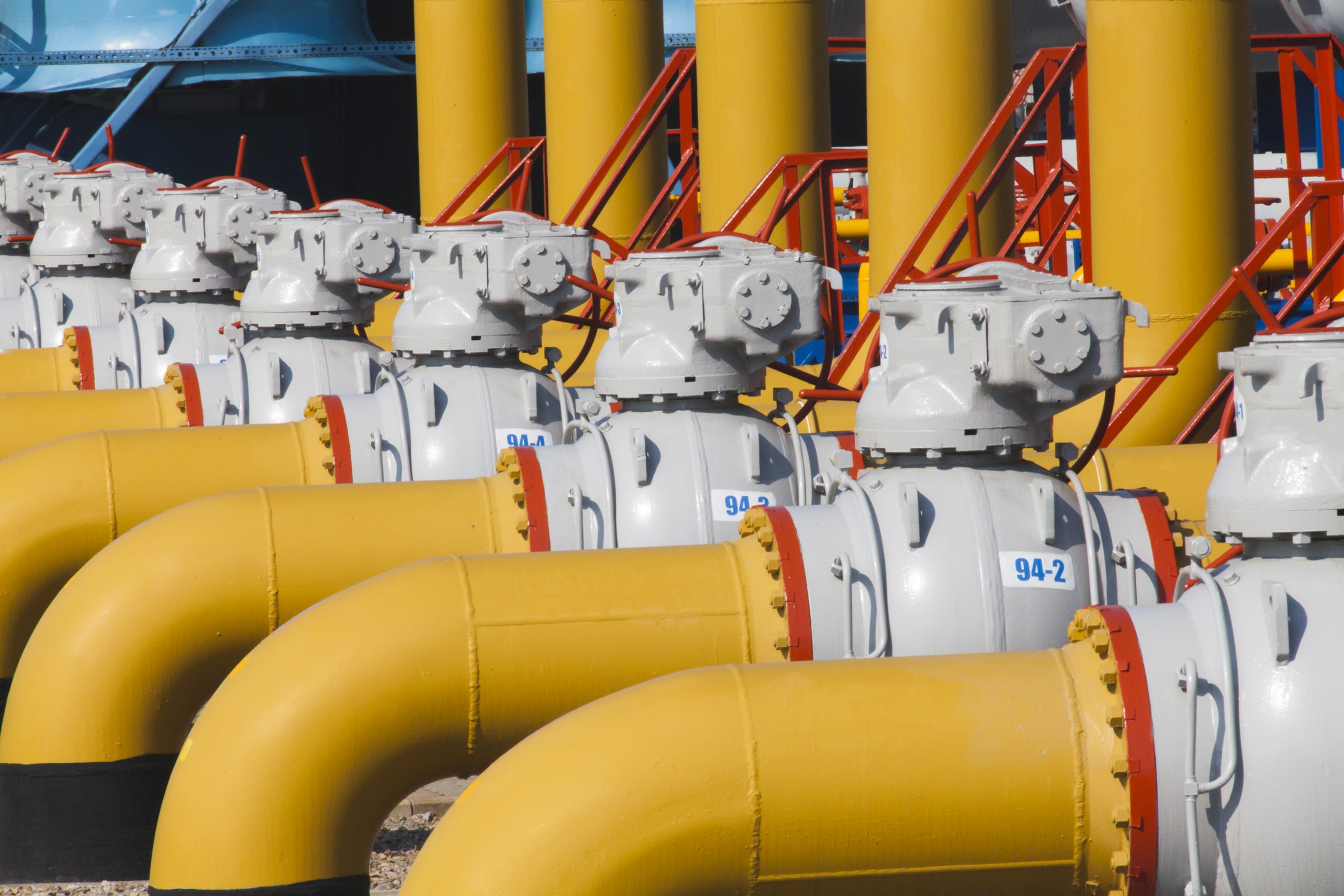
Your philosophy on paper. Enforced at the asset.
IEC 62682 requires shelving. Moonshot Lagrange governs it, along with every other rule your alarm philosophy sets.
Designed to adhere to ANSI/ISA-18.2 and IEC 62682, with network architecture aligned to IEC 62443. Supports PSM audits at sites that adopt ISA-18.2 as recognized and generally accepted good engineering practice (RAGAGEP). Cells keep governing alarms through network outages, and the record catches up when the link returns.
Rationalization lowers the noise floor. The flood is still a flood.
Operators who have run alarm management programs for years report the same shape of result: the steady-state rate comes down to something a panel operator can live with, while the peak rate during an upset and the standing-alarm count stay outside the benchmark. Tag-by-tag review fixes the alarms that should never have been configured. It cannot decide, at the moment of a trip, which of the next forty alarms is the cause.
Bad actors and chatter
A small set of tags produces most of the load. Finding and resolving them is configuration work, and it works.
Peak rate and standing alarms
The upset still arrives all at once, and alarms that cannot clear still sit on the console for weeks.
State, at the moment it matters
The cascade collapses to one incident. Suppression is time-bounded and audited. A safety trip holds until someone with authority clears it.
This is why an engagement starts with an assessment rather than a license. We measure your alarm system against EEMUA 191 and ANSI/ISA-18.2, show you which tags carry the load, and show you what is left once those are fixed. That remainder is what the platform governs.
What happens when the link goes down.
The link drops
Alarm evaluation, local history and the operator console keep running at the asset.
Events queue on disk
Governed alarm events spool locally with their original edge timestamps.
The link returns
Replay is rate-limited so the backlog never chokes a narrow satellite or cellular link.
Live alarms go first
Current alarms stream ahead of the backlog, and headquarters ends up with the same record as the control room.
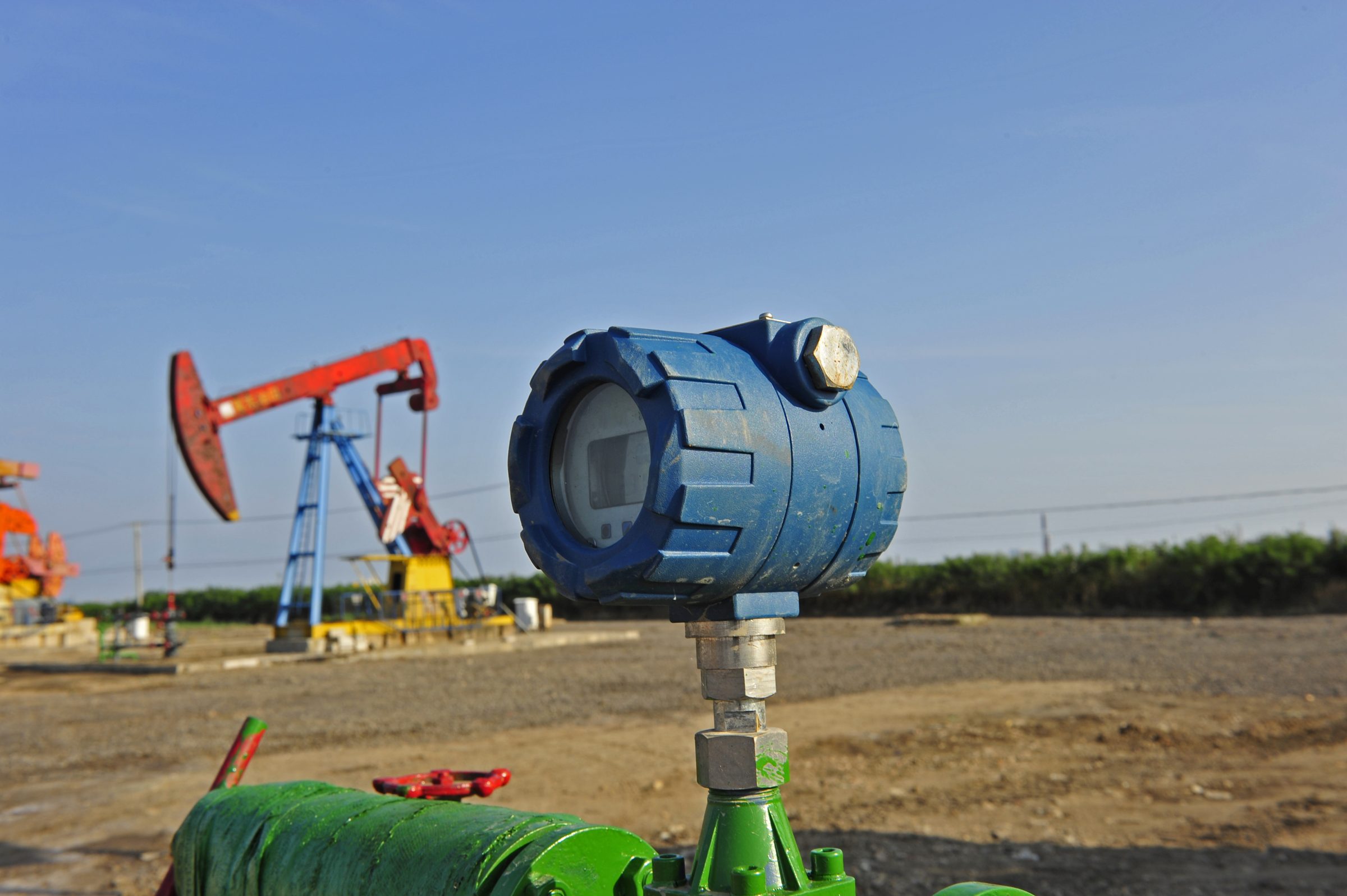
Outbound-only across the DMZ
Remote access, provisioning and data sync run over outbound-only mTLS. The only Moonshot component in your DMZ is a thin relay.
OT isolation
Dual-NIC design with IP forwarding disabled; PLC tags read-only by default.
Your stack stays
Subscribes to Kepware or Ignition over MQTT or OPC-UA.
Three process and energy scenarios, live.

Steam boiler drum trip
The burner management system trips the fuel.
Emergency work order; alarm latched until a qualified supervisor inspects the gauge glass and signs off.

Gas compressor surge
The machinery protection system holds the restart permissive.
P1 work order; alarm latched until a rotating-equipment specialist verifies bearing clearances.

Reactor thermal runaway
The safety instrumented system quenches the reactor.
Emergency work order; alarm latched until the process safety manager inspects and authorizes reset.
“The safety system takes the protective action. Moonshot Lagrange governs the alarm, the work order and the sign-off.”
Designed to adhere to ANSI/ISA-18.2 and IEC 62682.
Network architecture is aligned to IEC 62443 zone and conduit principles. Moonshot Lagrange supports PSM audits at sites that adopt ISA-18.2 as recognized and generally accepted good engineering practice (RAGAGEP).
Plant-tier alarm KPI engine
Alarm rates per operator hour, floods, chattering, stale alarms and top bad actors, computed on premises below the DMZ, with no cloud egress.
One line. Thirty days. Read-only.
Start with a paid pilot on one production line. Moonshot Lagrange runs on a single industrial PC that you own, or one we supply preloaded. We set it up against your alarm philosophy and tag list and leave it governing alarms for thirty days, with engineering support through the window.
It reads your control network and writes nothing to it. No setpoints, no commands, no change to what your equipment does.
- One gateway, one line, one PLC protocol, an agreed tag count
- Setup against your alarm philosophy and tag list, with engineering support
- Thirty days governing alarms in production
- You keep the benchmark, the sizing recommendation and the decision
No changes to your control logic or alarm configuration. No rip-and-replace, no data lake, no IT project to stand up first. Read-only from day one.
What does your alarm philosophy promise?
Show us the shelving, out-of-service and latching rules on paper. We'll show you them enforced at the asset, through an outage, and in the audit trail.
Book a 30-minute showroom tour
Moonshot Lagrange
Software for industrial operations, built in Houston, Texas.
Designed to adhere to ANSI/ISA-18.2 and IEC 62682. Network architecture aligned to IEC 62443 zone and conduit principles.